

Turnkey Injectable Filling Lines for Sterile Pharma Production
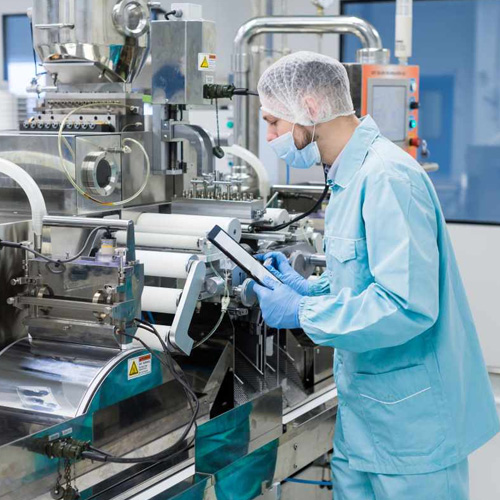
An injectable filling line is an integrated system of automated machinery designed to process glass containers for liquid medications in a highly controlled environment. It seamlessly manages container washing, depyrogenation, sterile filling, rubber stoppering or glass sealing, capping, inspection, and labeling. As a trusted Injectable Filling Line Manufacturer in India, we deliver complete turnkey solutions that ensure maximum sterility, accuracy, and efficiency for modern pharmaceutical production facilities.
Producing injectable medicines requires zero margin for error. A Complete vial filling line supplier understands that every machine in the sequence must communicate perfectly with the next. The entire flow is designed to eliminate human contact with the sterile drug product. By synchronizing the conveyors and utilizing advanced sensors, these lines maintain a continuous, aseptic flow from the moment an empty glass container is loaded to the point it is labeled and packed.
What Is an Injectable Filling Line?
An injectable filling line is the backbone of sterile pharmaceutical manufacturing. It transforms bulk glass containers and bulk liquid medication into secure, patient-ready single doses. The process begins in an unclassified zone where containers are washed to remove particulate matter. They then pass through a high-temperature tunnel for depyrogenation, which destroys any harmful bacterial endotoxins.
Once sterilized, the containers enter the aseptic core. Here, a Sterile Filling Machine Supplier integrates precision dosing pumps to fill the containers without splashing or dripping. Immediately after filling, the containers are sealed—either with a rubber stopper and aluminum cap for vials, or by melting the glass tip for ampoules. A reliable Aseptic Filling Line Manufacturer builds these systems entirely from premium stainless steel, ensuring the equipment can withstand rigorous chemical cleaning and maintain compliance with stringent industry standards.
After sealing, the containers leave the sterile zone. They pass through sophisticated inspection systems to verify fill volumes and seal integrity. Finally, they are routed to labeling machines that apply vital product information. The ultimate goal of an Injectable machinery exporter India is to provide a complete, unbroken chain of automated machinery that safeguards the drug’s efficacy and the patient’s health.
Vial Filling Line vs Ampoule Filling Line
While both lines serve the injectable medication market, vials and ampoules require fundamentally different handling, filling, and sealing mechanisms. Vials are flat-bottomed glass or plastic bottles with a neck, while ampoules are fully sealed glass capsules. Understanding the mechanical differences is critical when you intend to Buy ampoule filling line equipment or invest in a vial line.
A Vial Filling Line Manufacturer designs conveyors to handle stable, flat-bottomed containers that are sealed in two steps: a rubber stopper is inserted, followed by a crimped aluminum cap. In contrast, an Ampoule Filling Line Manufacturer must engineer systems to handle fragile, narrow glass capsules that require a combustible gas flame to melt and seal the tip immediately after filling. Both systems prioritize sterility but utilize different technologies to achieve final closure.
| Feature | Vial Filling Line | Ampoule Filling Line |
| Container Type | Glass or plastic flat-bottomed bottles | Fully enclosed glass capsules with narrow necks |
| Closing Method | Rubber stopper insertion and aluminum cap crimping | High-temperature gas flame sealing (tip melting) |
| Main Equipment | Washer, Tunnel, Filler/Stopper, Capper | Washer, Tunnel, Filler/Sealer |
| Common Applications | Vaccines, freeze-dried powders, multiple-dose liquids | Single-dose liquid injections, emergency medicines |
| Selection Factors | Cap type, stopper material, liquid viscosity | Glass thickness, flame gas supply, tip shape |
Complete Vial Processing Line
A turnkey vial system involves several synchronized stages to ensure product safety. The process starts with an automatic vial washing machine that utilizes high-pressure water and compressed air to clean the interior and exterior of the vials. From there, a conveyor automatically transfers the wet vials into a vial depyrogenation tunnel, which applies intense dry heat to eliminate pyrogens and completely dry the glass.
Once cool, the sterile vials enter the core of the line. A precision vial filling and rubber stoppering machine injects the liquid medication. The machine immediately places a sterile rubber stopper partially or fully into the neck of the vial, protecting the liquid from airborne contaminants. A proficient Vial Filling Machine Manufacturer ensures this transition happens in a fraction of a second.
Finally, the stoppered vials move to a vial cap sealing machine. This machine places an aluminum cap over the rubber stopper and crimps it tightly, providing a tamper-evident seal. Working with a dedicated Vial Capping Machine Manufacturer ensures that the crimping pressure is perfectly calibrated, securing the closure without cracking the glass neck.
Complete Ampoule Processing Line
Processing ampoules requires delicate handling due to their thin glass structure. The line begins with specialized ampoule washing equipment that uses needle-like nozzles to penetrate the narrow neck of the ampoule, flushing out any glass dust or debris with purified water and air. Like vials, the ampoules then pass through a sterilizing tunnel.
After cooling, the containers enter the highly specialized ampoule filling machine. Because ampoules have very narrow openings, the filling nozzles must dive directly into the container, dispense the liquid, and retract without touching the inside walls. Any drop of liquid on the neck can compromise the final seal. As a leading Ampoule Filling Machine Manufacturer, we incorporate advanced anti-drip technology to ensure a perfectly clean fill.
Immediately following the fill, the ampoule moves to the ampoule sealing machine station. Here, a controlled mixture of combustible gas and oxygen creates a precise flame. The machine rotates the ampoule while the flame melts the glass tip, drawing it off to create an airtight seal. An experienced Ampoule Filling and Sealing Machine Exporter ensures this integrated process is fully automated, smooth, and highly reliable.
Washing and Depyrogenation Process
Container cleanliness is the most critical prerequisite for injectable medicines. The washing process is not a simple rinse; it is a multi-step sequence designed to meet strict pharmaceutical guidelines. A standard washing machine utilizes alternating cycles of recycled water, purified water (PW), Water for Injection (WFI), and sterile compressed air. These stages are meticulously programmed via a PLC system to ensure every single particle is flushed from the container.
Following the wash, the containers must be sterilized. This is where a Depyrogenation Tunnel Supplier plays a vital role. The tunnel consists of three distinct zones: a drying zone, a sterilizing heating zone, and a cooling zone. HEPA filters are utilized throughout the tunnel to maintain an aseptic environment. The heating zone applies extreme temperatures to burn off any bacterial endotoxins (pyrogens), while the cooling zone gradually lowers the glass temperature so it does not shatter upon exiting into the filling room.
As a Turnkey vial filling line manufacturer, we ensure that the outfeed of the washing machine seamlessly matches the infeed of the tunnel. This mechanical synchronization prevents bottlenecks and ensures a continuous supply of sterilized glass to the filling station.
Sterile Filling, Stoppering and Sealing
The filling and closing stages represent the most sensitive area of the production line. To prevent contamination, all parts that come into contact with the liquid medication are manufactured from premium SS 316L stainless steel. This material offers exceptional resistance to corrosion and is easily sanitized using Clean-in-Place (CIP) or Sterilize-in-Place (SIP) systems. Advanced machines use “no-bottle-no-fill” sensors to prevent the pumps from dispensing liquid if a container is missing or incorrectly positioned.
For vials, the stoppering process occurs instantly after filling. Vibratory hoppers sort and align the rubber stoppers, delivering them to a placing mechanism that presses them into the vial neck. For freeze-dried (lyophilized) products, the stopper is only partially inserted to allow moisture to escape during the vacuum drying process. Later, the capping machine applies the aluminum seal to secure the stopper permanently.
For ampoules, the sealing stage replaces the stoppering and capping process. The open ampoule passes under a precisely calibrated flame. The heat softens the glass, and mechanical clippers remove the top portion, sealing the capsule hermetically. Proper exhaust systems are integrated above the sealing station to manage the heat and fumes safely.
Inspection and Labeling Equipment
Once the injectable containers are sealed, they must be rigorously inspected before they can be labeled and shipped. Quality control is non-negotiable in pharmaceutical manufacturing. A reliable line incorporates a comprehensive Vial Inspection Machine or ampoule inspection unit. These machines use high-speed cameras or manual light boards to check for particulate matter inside the liquid, verify correct fill volumes, and ensure the seal or cap is flawlessly applied. Defective containers are automatically rejected into a separate bin.
Following successful inspection, the containers proceed to the labeling stage. A proficient Vial Labeling Machine Exporter provides equipment that applies self-adhesive labels around the curved glass surfaces smoothly, without wrinkles or bubbles. These machines are often equipped with inkjet or hot-foil printers to stamp batch numbers, manufacturing dates, and expiry dates directly onto the label just milliseconds before application. Sensors verify that the label is present and correctly printed.
How to Select an Injectable Filling Line
Choosing the correct packaging machinery requires careful planning and a deep understanding of your production goals. Pharmaceutical buyers must evaluate several technical factors to ensure the line will perform efficiently within their specific facility. The first consideration is the physical properties of the medication. Highly viscous liquids require different dosing pumps—such as piston pumps—compared to thin, aqueous solutions that may use peristaltic pumps.
Container volume and production speed are equally important. You must calculate your desired output in bottles or ampoules per minute. High-speed lines require larger washing and tunnel capacities to keep up with the fast-moving fillers. Furthermore, buyers must consider format changeovers. If your facility processes multiple vial sizes (e.g., 2ml, 5ml, and 10ml), look for lines that feature tool-less changeover parts. This allows operators to switch between container sizes quickly, reducing costly machine downtime.
Finally, facility space is a major constraint. Complete lines take up significant linear space. Manufacturers can often configure the conveyors in a straight line, an L-shape, or a U-shape to fit the exact dimensions of your cleanroom. Always provide your vendor with an accurate floor plan during the consultation phase.
Documentation and Validation Requirements
In the highly regulated pharmaceutical industry, machinery is only as good as its documentation. Regulatory bodies like the FDA and WHO require absolute proof that the equipment operates exactly as intended. A responsible Injectable Filling Line Manufacturer in India will provide a comprehensive validation package along with the physical machinery. This ensures your facility passes all compliance audits smoothly.
The standard documentation package includes Design Qualification (DQ), Installation Qualification (IQ), and Operational Qualification (OQ) protocols. These documents trace the machinery’s performance back to the original engineering specifications. Furthermore, buyers should expect a rigorous Factory Acceptance Test (FAT) at the manufacturer’s site before shipping, followed by a Site Acceptance Test (SAT) once the equipment is installed in the cleanroom. Material test certificates for all SS 316L contact parts must also be provided to prove the exact grade of the steel used.
Questions to Ask the Manufacturer and Exporter
When preparing to request a Sterile filling line quotation, it is vital to gather all necessary product details and ask the right questions. Use this checklist to communicate effectively with a Complete vial filling line supplier or ampoule exporter:
Can the filling line be customized to fit an L-shaped or U-shaped cleanroom layout?
What types of dosing pumps (peristaltic, piston, etc.) do you recommend for my liquid’s viscosity?
Does the line include advanced “no-bottle-no-fill” and “no-stopper-no-cap” sensor systems?
Are all product contact parts manufactured from certified SS 316L stainless steel?
What is the standard changeover time when switching between different container sizes?
Do you provide complete IQ, OQ, DQ validation documents and material certificates?
Is a Factory Acceptance Test (FAT) standard procedure before the machinery is shipped?
What PLC and HMI brands do you integrate for line synchronization and automation control?
Conclusion
Investing in a complete, synchronized production line is the most reliable way to guarantee the sterility and commercial viability of your injectable medications. From the precision cleaning of the washing machine to the secure closure provided by advanced sealing technology, every stage must perform flawlessly. Selecting a knowledgeable manufacturer ensures your machinery meets all global GMP and safety standards. If you are ready to upgrade your facility or launch a new product, we encourage you to discuss your injectable line requirement with our engineering team today for a customized, comprehensive quotation.
Frequently Asked Questions
An injectable filling line is an automated system of machinery used to package liquid pharmaceutical products into sterile glass containers. It seamlessly connects container washing, high heat depyrogenation, sterile liquid filling, stoppering or flame sealing, inspection, and labeling into one continuous process.
A depyrogenation tunnel is necessary to completely eliminate pyrogens, which are harmful bacterial endotoxins that can cause severe fevers in patients. The tunnel uses extreme dry heat to sterilize washed glass containers before they enter the highly controlled aseptic filling zone.
A vial is a small, flat-bottomed glass or plastic bottle sealed with a rubber stopper and a crimped aluminum cap. An ampoule is a fully enclosed glass capsule with a narrow neck that is sealed by melting the glass tip with a flame.
The no-bottle-no-fill sensor uses advanced photoelectric technology to detect the presence of a container at the filling station. If a container is missing, fallen, or misaligned, the sensor signals the PLC to pause the dosing pump, preventing liquid medication from spilling onto the conveyor.
SS 316L stainless steel is the standard for product contact parts because of its exceptionally low carbon content. This makes it highly resistant to chemical corrosion and extreme temperatures, ensuring the machinery does not contaminate the liquid medication during the filling process.
Yes, modern injectable filling lines can be engineered to handle various vial sizes, such as 2ml, 5ml, and 10ml. They feature adjustable guide rails and tool-less format changeover parts, allowing facility operators to switch container sizes quickly and efficiently between production batches.
A Factory Acceptance Test (FAT) is a comprehensive physical inspection and operational trial conducted at the manufacturer’s facility before the equipment is shipped. It ensures the filling line functions correctly and meets all the buyer’s requested engineering and performance specifications.
To provide an accurate quotation, a manufacturer needs the container dimensions, the precise filling volume, the viscosity of the liquid medication, the desired production speed in bottles per minute, and the total available floor space within your cleanroom facility.