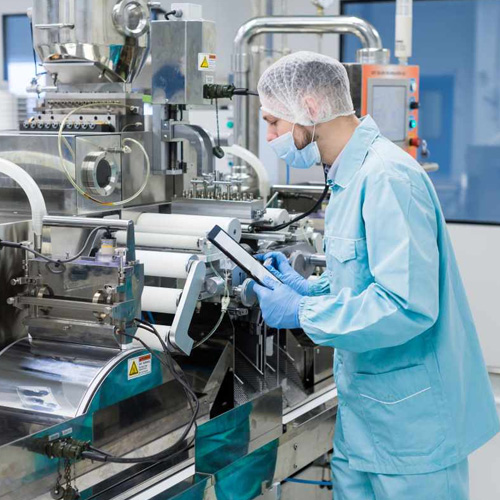

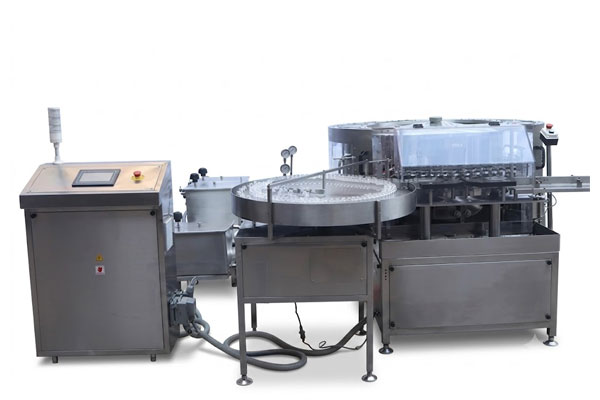
Vial Washing Machine
A vial washing machine is the first critical step in any aseptic injectable line. It removes particulate, microbial, and endotoxin loads from incoming glass vials before they enter the depyrogenation tunnel and aseptic filling zone.
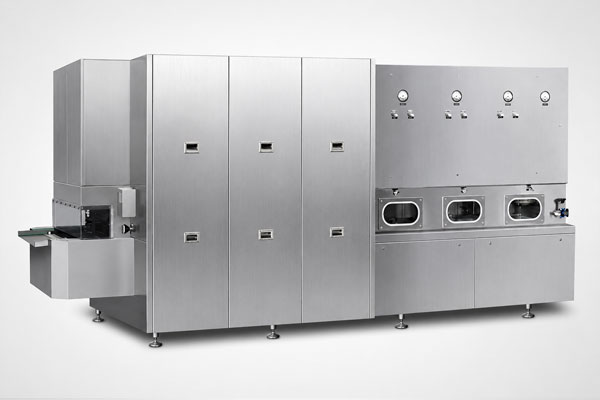
Vial Depyrogenation Tunnel
A vial depyrogenation tunnel is the critical thermal-processing step between the vial washer and the aseptic filling machine on any sterile injectable line. It uses sustained dry heat (300–340 °C in the sterilizing zone) to destroy bacterial endotoxin
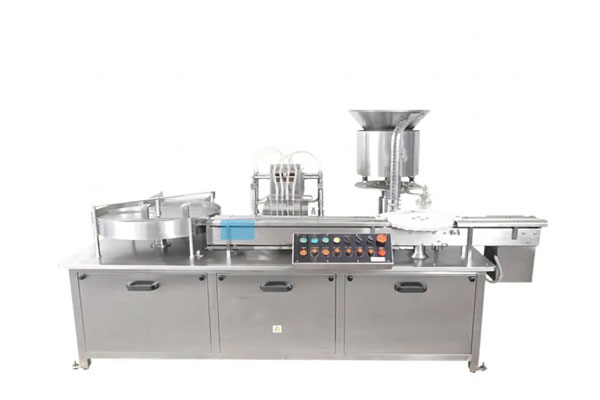
Automatic Vial Filling and Rubber Stoppering Machine
An automatic vial filling and rubber stoppering machine is the heart of any aseptic injectable line. It doses a precise volume of liquid (or suspension, oil, or biologic) into a sterile glass
Vial Powder Filling and Rubber Stoppering Machine
A vial powder filling and rubber stoppering machine is the aseptic-processing workhorse for any sterile powder injectable line. It doses a precise weight of sterile powder (antibiotic, lyophilized cake, API, vaccine, or biologic)
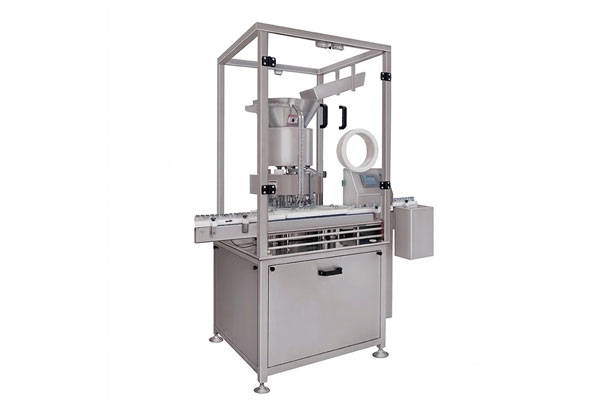
Vial Cap Sealing Machine
A vial cap sealing machine (also called a vial capper, vial crimper, or flip-off cap sealing machine) is the final closure step on any parenteral injectable line. It crimps an aluminium flip-off cap over the rubber
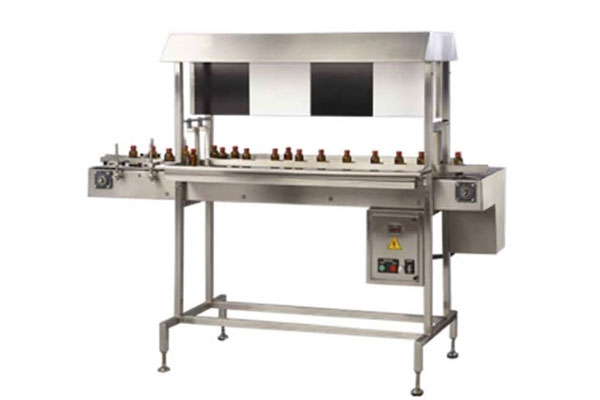
Vial Inspection Conveyor Booth
A vial inspection conveyor booth is the quality-control station on any parenteral injectable line. It performs 100% visual inspection of filled, stoppered, and capped vials to detect visible particles,
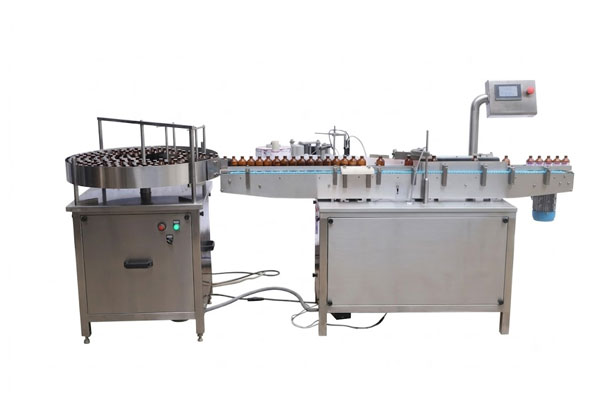
Vial Labeling Machine
A vial labeling machine applies self-adhesive paper or film labels to parenteral glass vials, typically carrying the product name, strength, lot number, expiry date, manufacturer, and (under modern serialization regulations) a unique 2D Data Matrix code.