What Does Your Bottle Washing Process Need to Achieve
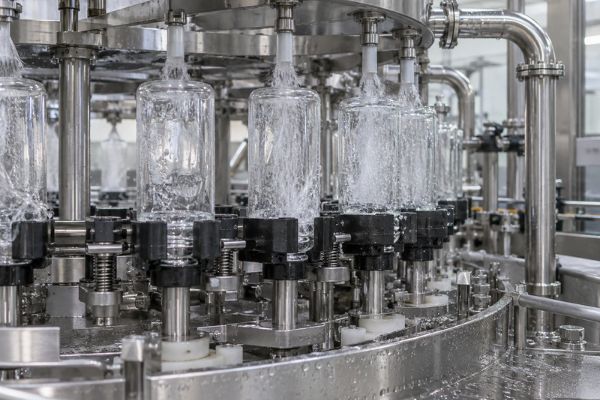
A bottle washing machine quotation should answer one practical question: how will this equipment prepare your bottles for the next production step? The answer depends on what arrives inside the bottles, what must be removed, and how the cleaned containers will reach the filler.
Buyers often compare machine speed and miss the work needed around it. Water supply, drainage, air quality, and access for cleaning can affect whether the washer fits the factory. Leaving these details until delivery can create avoidable delays.
This guide follows the bottle from incoming storage to the filling line. It explains what to put in your enquiry, how to assess the proposed wash process, and which costs deserve attention. Use it to turn a short price request into a purchasing brief that your production team can use.
Describe the Incoming Bottles Before Requesting a Quote
Start with the condition of the bottles entering your factory. Newly supplied containers and returned bottles can present very different cleaning tasks.
Tell the supplier how bottles arrive, how they are stored, and what unwanted material you expect. Loose packaging dust, sticky residue, and leftover product should not be treated as the same problem.
Prepare a short bottle record:
- Container material and dimensions.
- Neck opening and shape.
- New or previously used condition.
- Storage and unpacking method.
- Expected dirt or residue.
- Packaging formats planned for future production.
Send representative samples, including any difficult shapes. A narrow neck or unusual shoulder may need closer review than the stated bottle volume suggests.
Make the Bottle Washing Machine Quotation Explain Every Stage
Ask the supplier to describe the purpose of each proposed cleaning stage.
A stage list might identify an initial rinse, another wash, a final rinse, and a draining or air stage. The actual sequence must suit your application; there is no universal recipe for every bottle.
Use these questions to examine the proposal:
| Question | What the Answer Should Establish |
|---|---|
| What does each stage remove? | The reason for including it |
| Which water or other cleaning medium is used? | The quality and supply required |
| Is liquid reused or discharged? | How each circuit operates |
| How are bottles positioned? | Access for cleaning and drainage |
| What happens if supply pressure falls? | How an incomplete cycle is handled |
| What condition should bottles leave in? | The requirement before the next operation |
More wash stations do not automatically mean a better purchase. Ask the supplier to connect every proposed stage to a defined cleaning need.
Review Water Air and Drainage Before You Buy
Before you buy a bottle washing machine, have your engineering team check whether the factory can support it.
A connection marked “water inlet” is not enough information. Request the required water quality, pressure, flow, and connection details. Separate fresh-water demand from internal circulation flow.
For compressed air, ask about quality, pressure, and consumption where it is used. For drainage, identify discharge points and expected peak flow.
| Site Check | Information to Obtain |
|---|---|
| Water Supply | Quality, operating pressure, and demand |
| Compressed Air | Required condition and consumption |
| Electricity | Supply details and connected load |
| Drainage | Outlet sizes, locations, and discharge requirements |
| Maintenance Access | Space for opening panels and removing parts |
| Installation Route | Machine dimensions and access needs |
Put responsibility for piping, cabling, and drain connections in writing. This helps prevent a delivered machine from waiting for unfinished site work.
Understand Bottle Washing Machine Price in India
Bottle washing machine price in India depends on the cleaning process and equipment included in the offer.
Pharma Machinery India provides application-based quotations for its bottle washers. Its product page does not publish a fixed numeric range, so request an indicative budget against your requirements.
The main quotation variables include:
- Bottle formats and their handling parts.
- Required production output.
- Wash circuits, tanks, pumps, and filtration.
- Materials and surface finishes.
- Controls and line connections.
- Testing and documentation.
Ask for the base equipment, options, and site services to appear separately.
If two estimates differ sharply, first check whether they cover the same work. One may include a complete wash arrangement while another assumes that parts of the system already exist at your facility.
Compare Automatic Bottle Washing Machine Cost Over a Shift
Automatic bottle washing machine cost includes resources used during production, startup, and shutdown.
Ask for consumption estimates with their assumptions. An hourly figure is more useful when it states the operating speed, wash sequence, and whether startup water is included.
Consider a plant running several short batches. Tank filling, flushing, and product changes may affect daily consumption differently from one long production run.
Review:
- Water required to start the system.
- Fresh water used during operation.
- Compressed air and power demand.
- Filter and other replacement items.
- Time spent cleaning the washer.
- Labour needed for loading and format changes.
Compare these items for your own shift pattern. Avoid accepting savings claims without a clear calculation and relevant operating conditions.
Check the Transfer From Washing to Filling
Include the washer’s exit in your buying review.
Ask how bottles drain, whether any remaining moisture is acceptable, and how containers reach the next machine. A bottle suitable for one filling process may not be suitable for another.
Walk through a planned stoppage. If the filler stops, where do washed bottles wait? What happens to bottles already inside the wash cycle? Who decides whether they can proceed or need reprocessing?
Agree on these responses with the supplier and your quality team. A coordinated line needs clear restart procedures as well as matched production speeds.
Test Cleaning Results Before Accepting the Machine
Define success before the demonstration begins.
Decide which bottle formats will be tested and what evidence will show that the wash process works. Your quality team should select appropriate inspection or testing methods for the intended product.
A useful acceptance plan records:
- Incoming bottle condition.
- Selected wash settings and cleaning media.
- Production speed and trial duration.
- Cleaning results and retained moisture, where relevant.
- Bottle damage, handling faults, and interruptions.
- Behaviour during stops and restarts.
Visual inspection may be useful, but it cannot establish every cleanliness requirement.
Washing also does not automatically establish sterility. Where additional treatment or validation is required, include it in the wider production plan.
Buying Checklist for a Pharmaceutical Bottle Washing Machine
Use this final checklist to close gaps before issuing the purchase order.
| Item to Settle | Evidence to Obtain |
|---|---|
| Approved Bottle Range | Drawings or identified samples |
| Cleaning Objective | Written process requirements |
| Site Readiness | Confirmed utility and layout details |
| Cleaning the Equipment | Demonstrated access and procedures |
| Performance Acceptance | Agreed test plan and criteria |
| Documentation | Named documents and delivery stages |
| Commercial Scope | Price, exclusions, delivery, and payment terms |
| Support | Training, warranty, and spare-parts arrangements |
Watch for unclear phrases such as “standard accessories” or “complete documentation.” Ask what each phrase includes.
Also identify who approves changes if testing reveals a need for different parts or settings.
Send an Enquiry That Leads to a Useful Proposal
Pharma Machinery India lists semi-automatic, rotary, linear, and integrated bottle washing configurations.
For a focused enquiry, provide your bottle details, incoming condition, cleaning objective, output requirement, and available utilities. Include a layout if the washer must connect to existing equipment.
Request a technical proposal alongside the commercial offer. This gives your production, engineering, and purchasing teams a shared basis for reviewing the investment.
Conclusion
A bottle washer purchase should begin with the cleaning task and end with measurable acceptance criteria.
Examine the wash stages, factory connections, operating demand, and transfer to filling. When these details are settled early, the quotation becomes a clear purchasing document rather than a price with unanswered questions.
Frequently Asked Questions
Provide bottle dimensions, material, incoming condition, required output, and cleaning objectives. Add available utility details and any line layout constraints so the supplier can define the proposed equipment.
Yes. Ask for a budget estimate based on stated assumptions. Before ordering, replace that estimate with an itemised offer covering the agreed process, equipment, options, and services.
Compare both against your bottle range, layout, handling needs, and output. Ask the supplier to demonstrate why the proposed arrangement fits your operation rather than choosing from the machine name alone.
Compatibility depends on the handling system, bottle shapes, and wash conditions. Submit samples of each material and request confirmation of the required settings and change parts.
No single washing medium suits every application. Your quality team should define the required water quality for the intended process. Ask the supplier to design and document the wash arrangement accordingly.
That depends on the unwanted material and the cleanliness required. Do not assume air cleaning can replace a specified wet process. Assess the proposed method through suitable testing before approval.
Possible exclusions include water treatment, external piping, compressed-air equipment, drainage work, freight, taxes, and extra format parts. Request an exclusions list and assign responsibility for each item before purchase.